2013年10月15日火曜日

Let's make a Moss Ball!

     
    The moss ball is one of the bonsai styles that the root of a plant is covered with green moss. It is said that the origin of the moss ball is the Nearai that has been popular since the mid-Edo era(about 1650) in Japan. The plant has usually been cultivated in a pot for a few years. The roots develop in the pot. The root and soil maintain their shape even though the plant is taken out the pot. Its beauty has been appreciated for hundreds of years.

      Because it takes so long to make Nearai, an easier way was found, that is the moss ball.  Now Let’s try to make it.  I think anyone can enjoy it.


Step 1  Preparation

(1) Prepare these things below.
  
    ・your plant              
    ・green moss  
    ・clay-like soil  *→see Step 1-(3)
    ・a piece of net      
    ・two pieces of wire     
    ・cotton thread (1~1.5m)


(2) This time I used Trachelospermum asiaticum that I bought for a bargain in a gardening store near my house. The height from the bottom of the pot to the top of  the plant is about 15cm.    


(3) Soil preparation.
   ・Clay-like soil    60~70%   
   ・Akadama(small grain)   10~20%  
   ・Sphagnum moss   10~20% 

*Clay-like soil is a kind of peat moss or the soil that contains some peat moss in it

* Akadama is bonsai soil. You can make a moss ball without Akadama.


*Cut sphagnum moss finely.         


 Step 2  Making the base
(1) Intersect two pieces of wire and twist.  


(2)  Put each tip of wire into the corner holes of the net.  


(3)  Then bend all wires up.


Step 3   Blending the soil

(1) Mix soils for the moss ball.


(2) It is very important to knead them well. 


(3)  If you knead it well, the soil becomes shiny.  Then it’s perfect. 


(4)  Make some small balls  from the soil that will be easy to use later..


Step 4  Trimming

(1)  Take the plant out of  the pot and trim.


(2)  Choose the side that looks most beautiful.


(3)  Loosen its root and remove the soil very carefully.


Step 5  Covering with soil

(1) Put some of the soil on the base.


(2) Put the plant on the soil and cover the root with soil little by little. Be careful not to stick the soil to the plant too much.


(3) It should look like this. 


(4) To fix the soil, bend the four tips of wire inwards. 


(5) This is the bottom view. It should look like this.


Step 6  Covering with moss
      (1) You can make a moss ball with any moss you like.
 I recommend using Hypnaceae because it’s leaves and stems are long enough to make a moss ball easily.


(2) Water the moss with a sprayer to prevent drying.


(3) Pick up the moss and wrap the soil ball quickly. 


(4) Make sure to fill up the space between stems with the moss.


(5) It should look like this.


Step 7  Winding with a thread

(1) Use any color of cotton thread. 


(2) Wind the moss ball with a thread, to hold the moss root together. 


(3) After that, tie up both ends of the thread.
     * A few month later, the cotton thread will disappear.


(4) Soak the moss ball  in a bucket of water.

 It is now completed.


(5) Display and enjoy your bonsai! 
   I put it in a Shigaraki ware pot. 


   Thank you.         


2013年10月3日木曜日

What is the fascination of bonsai?

 I love bonsai very much. It was in 2006 that I got interested in it. My ex-colleague whose hobby was bonsai invited me to his bonsai master’s garden. After that I took part in some bonsai workshops and joined the small tree world.

Why was I fascinated by bonsai? What is the pleasure of bonsai?

I think that one of the most fascinating things about bonsai is to be able to create great art with plants and pots. Even though some simple weeds in the garden can become beautiful objects through the bonsai method.
I like the way of thinking of bonsai. If you learn bonsai, you will be able to see where the beauty is in the plants, or imagine how to make use the best features of each tree. Bonsai changes an ugly thing into a beautiful one.

Another great thing about bonsai is that anyone can enjoy it anytime, anywhere, and any trees or plants. As a bonsai is a small-scale replica of a fully grown trees or plants in a pot. That’s why anybody can do bonsai in their own way. That is also the reason why bonsai has spread all over the world.

Today there are so many bonsai enthusiasts in the world. We can see easily that bonsai is more popular abroad than in Japan. I knew that U.S.A, Italy, Spain, Germany, Brazil, South Africa, China, Taiwan, Australia, India… are the bonsai powers in the world. I have enjoyed talking to bonsai lovers overseas on the online photo-sharing media Instagram since last November (2012). It reminded me of the other great pleasures of bonsai. That is to be able to enjoy communicating and sharing with people overseas.


Unfortunately, there is so little information about bonsai from Japan and so that I wish I could send it much more to the world.

2013年3月27日水曜日

私的英語学習のための6カ条

 3月から突然、英語の勉強を始めた。ちゃんと学校にだって通う。
 過去にも英会話スクールと、テンプル大学の英語コースで学んだことがある。仕事に使えるといいかなあ、という気持ちで。通信講座も受講した。結局、どれもお金と時間を無駄にして終わった。だから学校にはもう通うまい、英語にお金はかけまい、と思っていた。というか、漠然と「いつか仕事に役立つかも」と期待して英語を学んでも、そのいつかは絶対に来ないことが身に沁みたから。なので、仕事で英語は使わないのだ、と割り切ることにもした。
 けれどもろもろの理由から、再度チャレンジを決めた。過去みたいに「時間とお金の無駄」は繰り返したくない。だからここで、英語学習のための自分ルールを、整理しとこうと思う。以下、私的英語学習のための6カ条。

その1) 楽しむマインド優先で!
今まで、「学ぶからには、ちゃんと覚えて、練習もして、それなりに時間もとって……」と、学習にキチンと向き合う気持ちが強かったと思う。これでは、もう続かない。特に今回は、仕事に使う必然性が学ぶきっかけになってはいないのだから、学習するその時間自体を楽しむようにしたいと思う。仕事合間に、ついテキスト開いちゃうとか、気になった言葉はネットで意味を調べちゃうとか、今週のレッスンが楽しみとか、そんな心持ちで向かいたいと思う。

その2) 空いた時間のちょこちょこ学習を!
早朝の1時間は確保して、とか、寝る前の30分はせめて、とか、あえて学ぶ時間を用意しないことにする。予定も立てない。そんなことしても、結局やらなくなるのは、目に見えているから。それより、今ちょっと時間空いたから、とか、コーヒー飲む片手間に、とか、レッスンの直前だけは、とか、ちょこちょこ時間をつまんでいくことにする。そのほうが、学びぐせがつくと思う。

その3) 学んだら即使うが吉!
学んだことを復習ノートにきれいに整理して充実感をかみしめるのもよいけれど、やはり使うことで覚えていくのだと思う。幸いにして、ソーシャルメディアをコミュニケーションの実践場に利用できるので、海外の「お友達」には恐縮だけれど、学んだフレーズや語彙をどんどん取り入れてポストしていこうと、今ここで決意します。

その4) 学ぶ時間を愛おしむ!
英語学習は楽しむし、ちょこちょこもやるけれど、そこにかけてる時間自体は意識して大切にする。わずかな時間でも、集中するということ。単に消化したり、義務感でかかわっていると、その時間は無意味に過ぎてしまう。意識的になるということが、とても大切なのだと思うのです。

その5) 最初の3カ月は集中しよう!
過去にほかの言語を学習した経験から、初期3カ月は学習を集中させたほうがよいと思っている。なので、初めのうちは学校に頻繁に・定期的に通うこと。

その6) 欲張るとすべてを失う!
ほかにもやっておくとよいこと、学びたいことがたくさんある。私は好奇心と空回りする意欲が高いので、気持ちの波に乗じて、あれこれ欲張らないようにしたい。上記の1)、2)、3)をキープしていれば、欲張りにはならないと思うけれど。


思いつくのは今のところ以上。これらに加えて、ちょっとした、でも具体的な目標を立てられるとよいけれど、それについては、またあらためて。

2013年3月25日月曜日

新国立劇場での着物DQN

 着物で行ったんですよ。新国立劇場オペラ「アイーダ」の公演に。
 昨夏に着付けを習い始め、2013年の新春歌舞伎で着物観劇初デビュー。以来、週1回くらい普段着キモノで外出するようになって、ちょっと度胸もついていた。調子に乗って新国立劇場にも着物で出かけたら、ここではさすがに目立った。  
 目立つ理由は、そもそも着物で来ている人が少ないということもあるけれど、そのなかで着物をお召しのご婦人は、いかにもお高そうな着物&帯を、きちんと着ているからだと思う。訪問着と袋帯=二重太鼓の方とか、明らかに観劇ならではの着こなしに慣れている方とか。その中で、いかに自分流で楽しめればよいからとはいえ、あたしが着ていたのはリサイクルの小紋に半幅帯。そして袖の長さが着物と合っていない長めの羽織。
 なぜか、着物来ている人同士の視線が激しく交差している感があって、互いに余計にチェックしてしまう。考え得てみれば、歌舞伎座は、キメキメハイソなお着物婦人から、自己流着崩しファッションの人までさまざまだった。だから、まあ、なんでもありになって、チェックのしようもないということかもしれない。
 ところが新国立劇場では、「きちんと着ている人」がマジョリティとなっていたから、自己流キモノの人間はみだしものになる。そして、まさにそれがあたしだった。
 着物の着方自体は、時代の中でものすごく変遷している。だから「これが正しい着方」ということは正直、誰にも言えないと思う。とはいえ、基本の型やT.P.Oに合わせた美しい着方というのは、やっぱりあると思う。その微妙は判断基準をどうするか、考えてみたいなあと思った次第です。

2012年12月23日日曜日

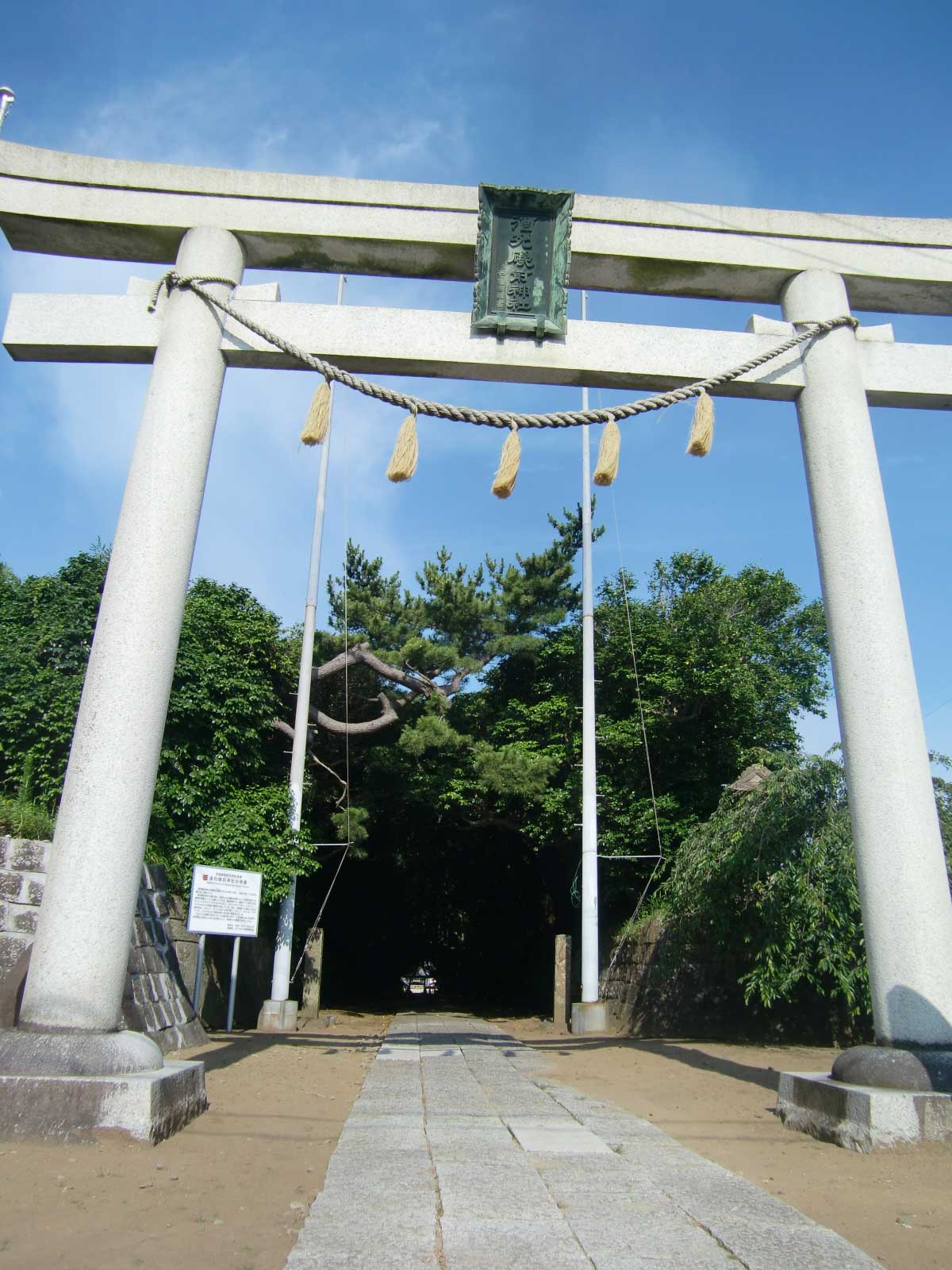
阿字ヶ浦温泉と酒列磯前神社

7月の猛暑全盛の某日。茨城県ひたちなか市の阿字ヶ浦を訪ねました。本当は、その近くにある酒列磯前神社(さかつらいそさきじんじゃ)を訪ねるのが目的でした。ところが神社からちょっと歩いたところに、いい感じの日帰り天然温泉があることがわかって、ぜひにと立ち寄ったのでした。

阿字ヶ浦温泉「のぞみ」の露天風呂。立ち上がれば太平洋が臨めます


上野から勝田までは、常磐線特急フレッシュひたちでおよそ1時間20分。勝田で、ひたちなか海浜鉄道湊線に乗り換えます。1両で走る小さな鉄道です。この電車はスイカは使えません。ホーム入口で乗車券を購入します。

湊線に乗って、およそ25分くらいで「磯崎」という無人駅に着きます。終点は「阿字ヶ浦」。その一つ手前の駅です。

畑と民家の道を歩いていくと、前方にこんもりとした森が見えてきます。そして道に突き当たったところに、酒列磯前神社の大きな鳥居があります。


鳥居をくぐると、参道はどこまでも続く木々のトンネルです。椿を主とする自然林で、茨城県指定天然記念物になっています。


木々のトンネルは、明るく清浄な雰囲気に包まれていました。


酒列磯前神社の本殿です。創建は856年。主祭神は少彦名命(すくなひこのみこと)=えびす様、および大名持彦命(おおなもちのみこと)=大黒様だそうです。


神社から歩いて10分くらい、坂を下りていった阿字ヶ浦に天然温泉の日帰り入浴施設がありました。「のぞみ」と言います。


露天風呂がいくつもありました。お風呂から立ち上がれば、阿字ヶ浦の海も遠く眺めることができます。写真は五右衛門風呂からの風景。


2011年1月17日月曜日

日常と極限


 年末から、山の遭難モノ本を立て続けに読んでいる。きっかけは羽根田治さんの本『トムラウシ山遭難はなぜ起きたのか』(山と渓谷社)。2009年7月、北海道のトムラウシで、登山ツアーに参加した18人のうち、ガイド含む8人が亡くなった。この遭難事故の経緯が、参加者へのインタビューによって明らかにされていく。暴風雨に見舞われた参加者たちは、次々と低体温症にかかって動けなくなる。でも、低体温症などというものを認識していたのはほんのわずかな人だけ。突如、生死の修羅場に放り出されたのは、単に趣味が山登りという、元気なおじさん、おばさんたち。そこは、危険を当たり前とするアルピニストたちが繰り広げる特別な世界ではなく、あくまで日常ワールドの延長。だから、いきなり死にさらされる極限の状況が際立って怖い。